Veterinary Physiotherapy
Gold-standard, evidence-based veterinary physiotherapy across Essex and the South East.
Veterinary physiotherapy is a hands-on, evidence-based approach to animal rehabilitation and conditioning. It draws on manual therapy, therapeutic exercise and specialist equipment to tailor treatment around each patient’s history, temperament and lifestyle. Whether they’re recovering from injury or surgery, managing a long-term condition, or simply staying in peak condition, every plan reflects their individual needs.
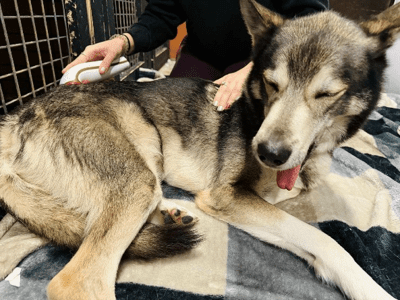
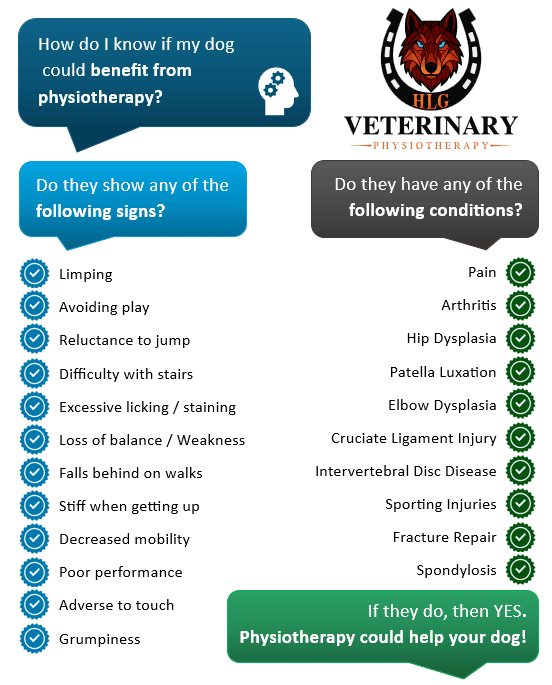
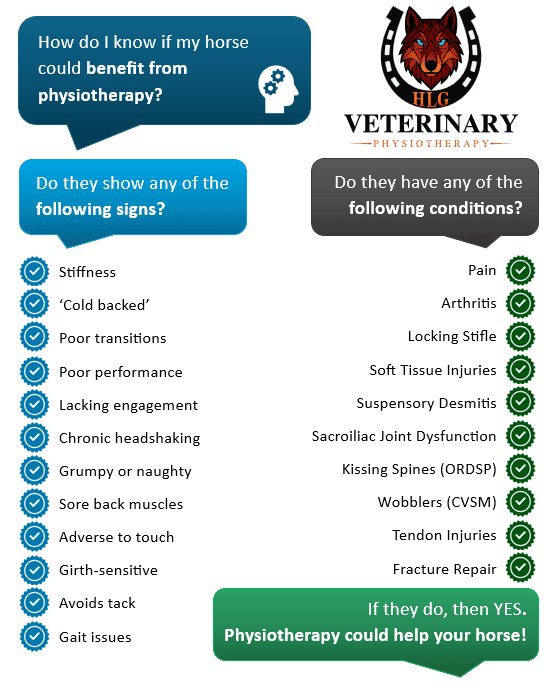
Could Physiotherapy Help Your Dog or Horse?
Use these quick reference guides to check the signs and conditions that could mean your dog or horse would benefit from veterinary physiotherapy.

Physiotherapy Professional Standards
Proudly registered with RAMP
Unlike veterinary surgeons, veterinary physiotherapists are not currently bound by statutory regulation in the UK. As a result, anyone can describe themselves as an animal or veterinary physiotherapist, even without meeting a nationally recognised standard of education or professional conduct.
At HLG Veterinary Physiotherapy, I am committed to delivering the highest standards of professional, ethical and evidence-based care. Therefore, I’m proud to hold RAMP (Register of Animal Musculoskeletal Practitioners) registration as a Veterinary Physiotherapist, reflecting my commitment to clinical excellence and animal welfare.
In fact, RAMP is one of the UK’s leading voluntary registers for animal musculoskeletal practitioners, promoting high standards of education, professional competence and ethical practice. In addition, becoming registered requires practitioners to hold a recognised BSc degree or above, or an equivalent qualification, alongside demonstrated clinical competence and strict professional standards.
As a RAMP Registered practitioner, I must:
- For example, maintain professional indemnity and public liability insurance.
- Similarly, undertake regular Continuing Professional Development (CPD).
- Additionally, work within a strict Code of Professional Conduct and Conditions of Membership.
- Practise using the latest evidence-based techniques.
- Finally, always place animal welfare, safety and professionalism at the centre of clinical decision-making.
Overall, choosing a RAMP Registered Veterinary Physiotherapist gives you confidence, knowing a practitioner who upholds recognised professional standards, lifelong learning and safe, ethical, evidence-based care is treating your animal.